
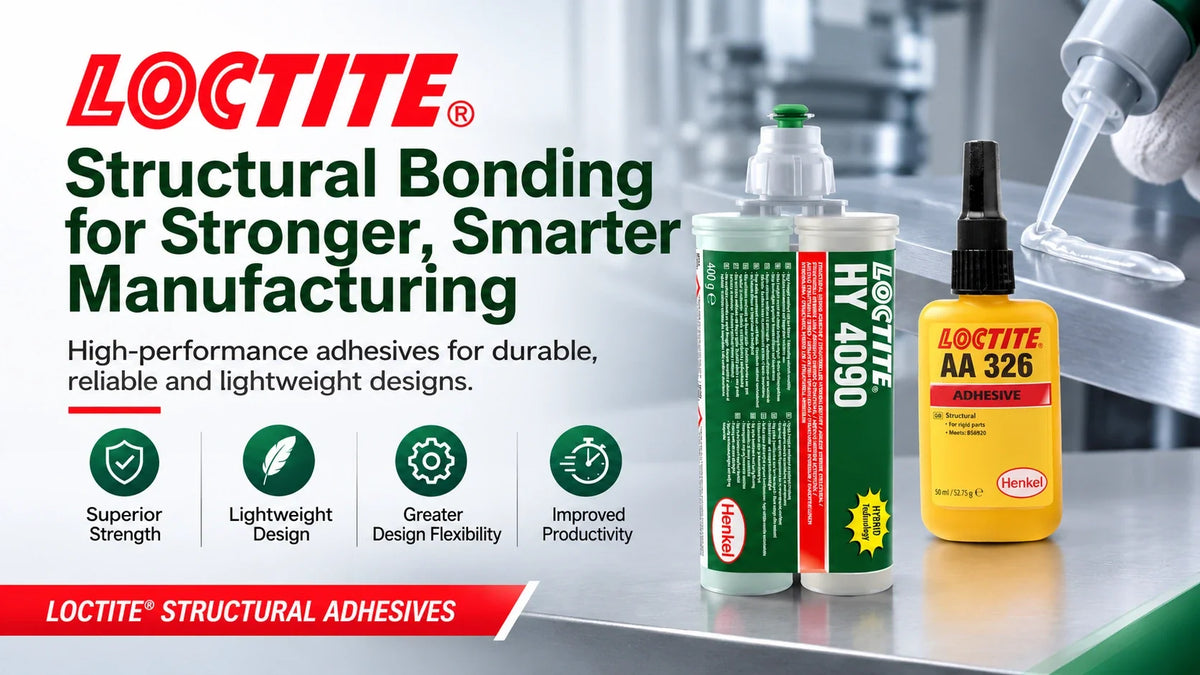
What Is Structural Bonding?
Structural bonding is a joining process that uses high-performance adhesives to permanently bond two or more materials, creating a strong and durable connection. Unlike conventional mechanical fastening methods such as screws, bolts, rivets and welding, structural bonding distributes stress across the entire bonded surface rather than concentrating it at individual fastening points.
Structural adhesives are widely used in industries such as automotive, aerospace, electronics, construction and general manufacturing. They allow manufacturers to join different materials, improve product performance, reduce component weight and simplify production processes.
As manufacturers look for more efficient, sustainable and reliable assembly methods, structural bonding has become an increasingly important alternative to traditional joining techniques.
How Does Structural Bonding Work?
Structural bonding works by applying a specially formulated adhesive between two surfaces. Once the adhesive cures, it forms a strong connection capable of withstanding mechanical loads, vibration, temperature changes and environmental exposure.
The bonding process generally involves four key steps:
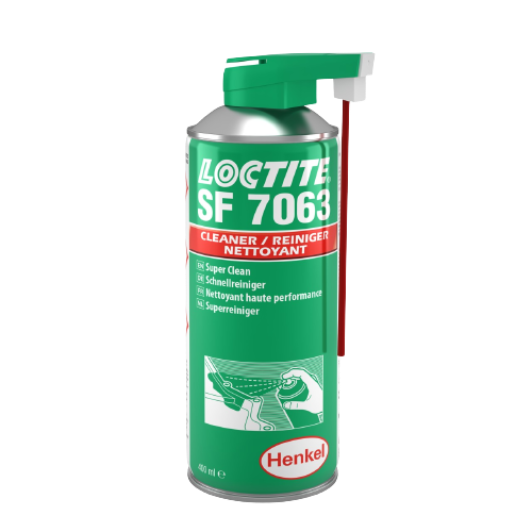
- Surface preparation: The surfaces are cleaned to remove oil, grease, dust and other contaminants that could affect adhesion.
- Adhesive application: The appropriate structural adhesive is applied to one or both surfaces, depending on the application and product requirements.
- Assembly: The components are positioned and brought together to achieve the required bond-line thickness and contact area.
- Curing: The adhesive develops its final mechanical properties through chemical reaction, heat, moisture or other curing mechanisms, depending on its formulation.
Selecting the right adhesive is essential. Factors such as substrate materials, operating temperature, load requirements, environmental exposure and production speed should all be considered.
Benefits of Structural Bonding Compared to Mechanical Fastening
Structural bonding offers several advantages for manufacturers seeking to improve product performance, reduce assembly costs and optimise production efficiency.
1. Improved Stress Distribution and Joint Strength
One of the biggest advantages of structural adhesives is their ability to distribute stress across the entire bonded area. Mechanical fasteners concentrate loads around individual points, which can create localised stress concentrations and potential failure points.
By spreading loads more evenly, structural adhesives can improve joint durability and resistance to fatigue, particularly in applications exposed to repeated vibration and dynamic loading.
2. Lightweight Design and Material Compatibility
Structural bonding eliminates or reduces the need for additional fasteners, helping manufacturers achieve lighter assemblies. This is particularly important in automotive, aerospace and transportation industries, where reducing component weight can improve energy efficiency and overall performance.
Adhesives can also join dissimilar materials, such as aluminium, stainless steel, plastics, composites and glass, without the heat input associated with welding.
3. Better Appearance and Design Flexibility
Unlike screws, rivets and bolts, adhesives do not require visible fastening points or drilled holes. This creates smooth, seamless surfaces and gives product designers greater flexibility when developing modern products.
Structural bonding is especially useful for applications where aesthetics, surface finishing and clean product design are important.
4. Improved Productivity and Lower Assembly Costs
Structural adhesives can simplify manufacturing by reducing drilling, welding and mechanical fastening operations. Depending on the application, this can shorten assembly times, reduce equipment requirements and lower inventory costs associated with different fasteners.
Henkel highlights potential cost and productivity advantages for LOCTITE structural bonding solutions compared with traditional joining methods. Actual results depend on the application, production process and adhesive selected.
Types of Structural Adhesives
Different structural adhesive technologies are designed to meet specific bonding requirements. Understanding their properties helps engineers select the right solution.
|
Adhesive type |
Key characteristics |
Common applications |
|
Epoxy adhesives |
High strength, durability and chemical resistance |
Metal bonding, composites and industrial assemblies |
|
Acrylic adhesives |
Fast curing, strong adhesion and impact resistance |
Automotive components, plastics and metal fabrication |
|
Polyurethane adhesives |
Flexible bonding with good shock absorption |
Transportation, construction and dissimilar materials |
|
Hybrid adhesives |
Combine properties of different adhesive technologies |
Multi-material assemblies and demanding applications |
The choice depends on factors such as substrate compatibility, required bond strength, curing time, flexibility, temperature resistance and environmental conditions.
LOCTITE Structural Adhesives: Reliable Industrial Bonding Solutions
For manufacturers looking to move beyond conventional fastening methods, LOCTITE structural adhesives offer a comprehensive range of solutions for demanding industrial applications.
Developed by Henkel, LOCTITE structural bonding technologies include epoxy, acrylic, polyurethane and hybrid adhesive formulations. These products are designed to address different assembly challenges, from high-strength metal bonding to flexible multi-material bonding.
Some notable solutions include:
- LOCTITE® AA 326: A two-step acrylic structural adhesive designed for general-purpose metal-to-metal bonding, including applications involving magnets.
-
LOCTITE® EA E-20HP: A high-performance epoxy adhesive designed for applications requiring high shear and peel strength.
- LOCTITE® HY 4090: A hybrid adhesive combining fast bonding characteristics with high strength and impact resistance, suitable for demanding assembly applications.
Each product has different working times, curing characteristics and substrate compatibility. Engineers should refer to the relevant technical data sheet before selecting an adhesive for production use.
Why choose LOCTITE structural adhesives?
- High-strength bonding for demanding industrial applications.
- Solutions for bonding different materials and substrates.
- Reduced dependence on mechanical fasteners.
- Improved resistance to vibration and mechanical stress.
- Greater design flexibility and potential weight reduction.
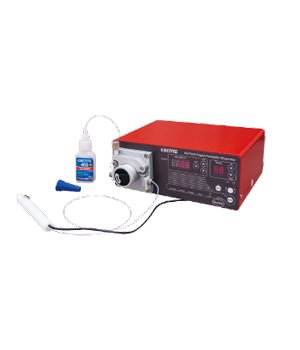
- Adhesive packaging and application options for manual and automated production processes.
Whether you are manufacturing automotive components, electrical equipment, industrial machinery or consumer products, LOCTITE provides structural bonding solutions to help improve assembly reliability and manufacturing efficiency.
How to Choose the Right Structural Adhesive
Choosing the right structural adhesive requires evaluating the application rather than simply selecting the product with the highest advertised bond strength.
Consider the following factors before making a selection:
- Substrate materials: Identify whether you are bonding metals, plastics, composites, glass or dissimilar materials.
- Mechanical requirements: Determine the required shear strength, peel strength, impact resistance and fatigue performance.
- Operating environment: Consider exposure to moisture, chemicals, vibration and temperature fluctuations.
- Curing and production time: Select an adhesive with a working life and fixture time that match your manufacturing process.
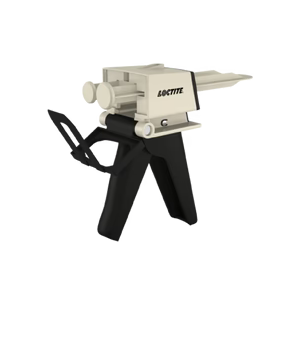
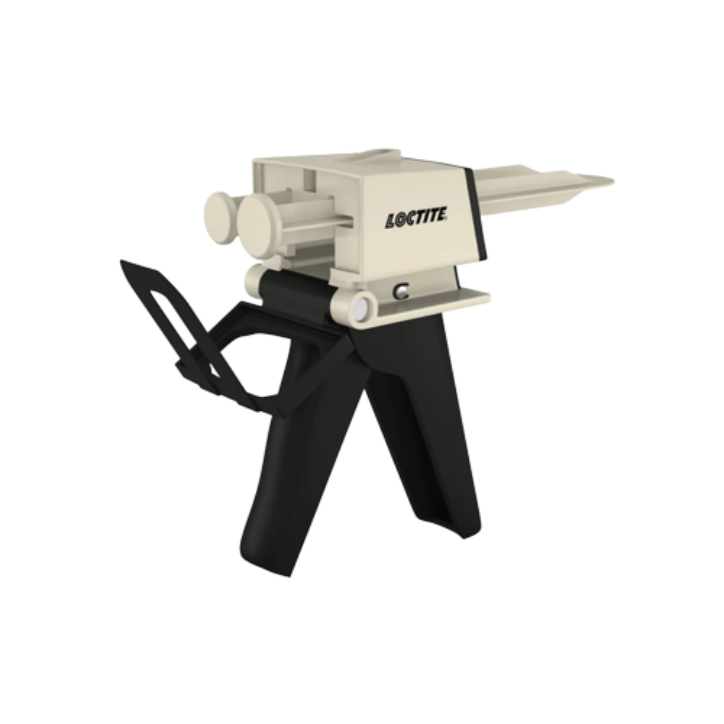
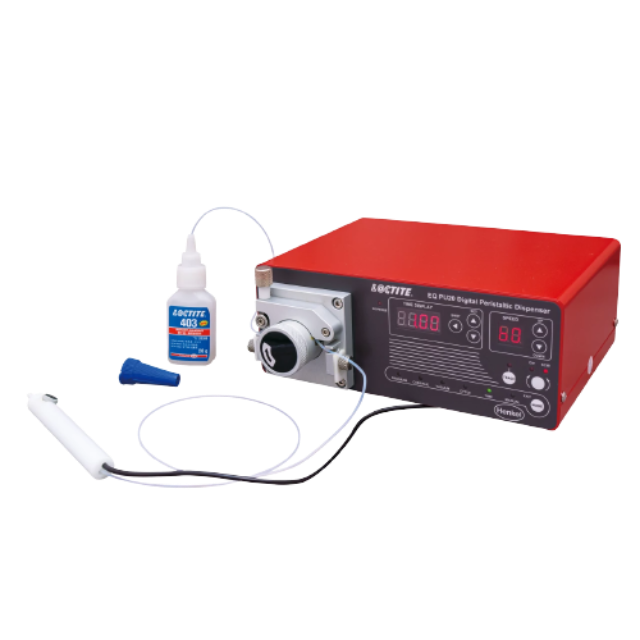
- Application method: Consider whether manual dispensing, automated dispensing or dual-cartridge systems are required for consistent application.
For critical structural applications, manufacturers should conduct appropriate testing under actual operating conditions to validate long-term bond performance.
Conclusion: Improve Manufacturing Performance with Structural Bonding
Structural bonding is transforming modern manufacturing by offering an effective alternative to traditional mechanical fastening. With benefits such as improved stress distribution, lightweight construction, greater design flexibility and simplified assembly processes, structural adhesives can help manufacturers achieve stronger and more efficient products.
LOCTITE structural adhesives from Henkel provide a versatile range of epoxy, acrylic, polyurethane and hybrid bonding technologies for different industrial requirements.
Looking for the right structural adhesive for your application?
Hong Teck Hin Hardware & Machinery supplies LOCTITE adhesive technologies and industrial bonding solutions to help manufacturers find the right products for their assembly requirements.
Contact our team to discuss your structural bonding application and explore suitable LOCTITE adhesive solutions.

发表评论
所有评论在发布前都会经过审核。
此站点受 reCAPTCHA 保护,并且 Google 隐私政策和服务条款适用。